
Our public water supply is clean and safe for human consumption. However, it is not impossible for our clean water to become contaminated. This occurs when there is improper tubing and faulty pipe connections in the home. This is where backflow preventers come in.
Wastewater backflow into your clean water supply can be prevented when using the best plumbing tools.There are several backflow prevention devices on the market, so it is essential that you learn the different types of devices and which one will suit your home best.
Backflow Preventers
 In plumbing, the term “backflow” refers to when water flows in the reverse direction, such as wastewater that flows backward and mixes with the home’s clean water supply.
This poses serious health risks to occupants of the home or anyone who consumes the water supply inside. Many city codes require the use of backflow preventers to prevent backflow.
Places like food processing factories, in stock hospital water, and municipal water systems utilize backflow preventers to safeguard the public from severe water contamination.
What Are Air Gaps?
 Contaminated water and clean water should never meet! Each should always flow through separate pipes. The best way to prevent this type of backflow with an air gap.
An air gap in plumbing is used to describe an open, upright space or gap between the water break and a fixture’s flood level.
Wastewater is sent over the gap of air, therefore, blocking contamination. Air gaps are a guarantee that your clean water supply is protected from wastewater contamination.
Pressure Vacuum Breakers in Irrigation
 Another backflow prevention device, called pressure vacuum breakers, will shield against water backflow.
They are very effective in irrigation systems, used to prevent non-drinking water from inadvertently entering the clean water supply by way of an irrigation system.
The tank will shut off a control valve that reduces any backflow from leaking into the clean water supply when the water pressure is below the air pressure.
An atmospheric vacuum breaker, or AVB, is a dependable and cost-efficient backflow prevention device with a top lid that opens to let air into the system and fills it up if back-siphoning should occur. The top lid works with a poppet valve that is squeezed by the water system pressure.
Which Backflow Preventer Should You Get?
 The backflow prevention device that you buy depends largely on your individual plumbing system and sewer line. If you live in a milder climate, pressure vacuum breakers can be used in homes to restrict backflow as a result of a vacuum force in the pipeline.
PVBs will send air into a pipe to stop the absorption. You may add more modifications to the backflow from inside the plumbing system. Controlled pressure zone preventers and assembly preventers can quickly shut close if a backflow that clogs the pipeline system should occur.
Not only are backflow prevention devices highly effective, but they are also a requirement in many cities. Check with your city’s building authorities for their recommendations for plumbing backflow preventer preconditions and if permits are required.
Want to learn more about backflow prevention devices? The backflow prevention specialists at Honest Abe's Home Services in Osage Beach, MO are ready to help you find the right backflow preventer for your home’s plumbing supply and any other plumbing questions you may have.

 Natural gas itself is odorless, but a sulfur-like odor is added to it by utility companies so that you can detect a gas leak if it should ever occur. A gas leak should never be taken lightly. If it is not resolved quickly, it can cause a fire or explosion in your home and injury to you and others. Inhaling gas can also cause serious illness, even death. If you suspect you may have a gas leak in your home, leave the premises immediately and call 911.
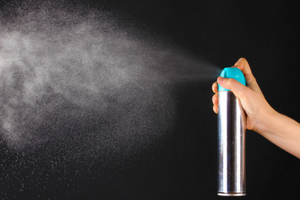 Winter has arrived, and you turn on your furnace for the first time since last year, only to notice a smell reminiscent of a musty basement. This is particularly common in older homes. A musty odor can be caused by dirt and debris that has accumulated in your gas appliance and the air ducts.
 If you notice a sharp smell of ozone or burning diesel inside your home, check your heating system. Sometimes the bearings in your appliance will force the motor in the blower to bind, which forces the furnace to pull more electricity to push through.
 For peace of mind and a fresher-smelling home right away, why not rely on the expertise of your trusty plumber? Some more severe plumbing problems require specialized equipment to diagnose, like cameras or particular listening devices.
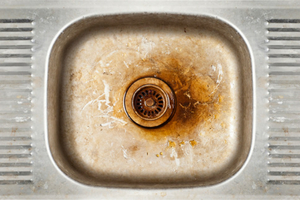 Do you use the smelly sink infrequently? Then you may have a small problem with a low-tech solution. The P-trap might be dry. The P-trap is the curved piece of the pipe just under the sink.
 If there is a distinctive rotten egg smell, it could mean that your plumbing has high levels of sulfur in it. If you have a higher-than-average mineral content in your water, your pipes could be oxidizing, which will release sulfuric gases, creating a smell.
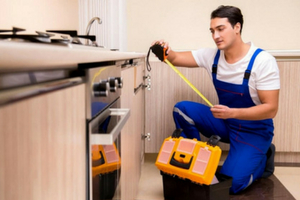 There are varying statistics, but roughly, it is believed that you spend about 60 percent of your time in the kitchen standing at the sink. When you consider how many hours you typically spend in your kitchen on a given week, it underscores the importance of making sure your sink suits your needs completely.
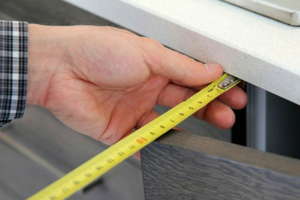 Whatever style of sink that you end up choosing, ensure that the measurements are done right. We can’t emphasize it enough. If measurements are not accurate, you could end up damaging the granite or having to order a new sink or both!
 While you can handle this kitchen plumbing job on your own, you don't have to. You can rely on your local Osage Beach, MO plumber to get the job done efficiently and easily.
 Choosing to upgrade your air conditioner, furnace, or both isn't an easy decision, and there are many factors at play to consider. The issue that holds the most weight is the age and condition of your current appliances, because if your A/C and furnace are dying, then you’ll have to replace them both.
 As with most major decisions, money will be a major element that could swing the pendulum in one direction or the other. For example, if you only have $2,000 to spend, then you probably can’t replace both units now and pay for the installation, so it'll make sense to replace the appliance that’s in most need of an upgrade and wait on the other one.
 Something one needs to think about when it comes to shower tops is the effect of clogs. Sediment buildup could create blockages and impact the device's water pressure and efficiency. In addition, it may lead to water leaks and water damage throughout the bathroom.
 It's always best to ensure your kitchen sink is in good condition. This is the most used sink in your home, and any damage or cracks could result in leaks.
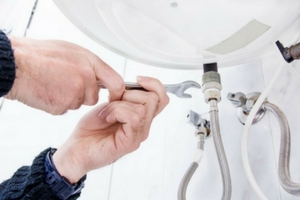 Water heaters undergo a lot of stress every day, which may cause some to wear down at an alarming rate. Water leaks, rust spots, and loud noises caused by sediment buildup are all signs of a device in decline.
 Washing machines may appear to be sturdy, but there are some things, which can go wrong and lead homeowners to find a replacement.